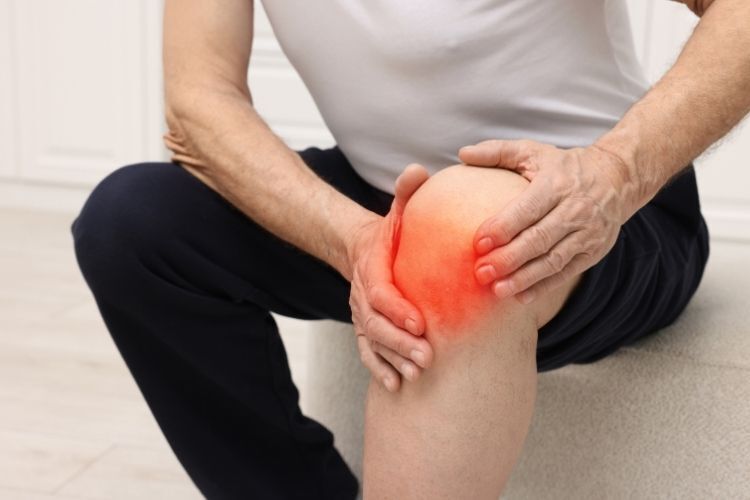
If you have ever felt a stubborn ache or swelling on the front or inside of your knee that just will not quit, you may be dealing with knee bursitis. It is one of the more common causes of knee pain we see at Pain Relief Clinic Cerritos, and the good news is that most cases respond very well to the right knee bursitis treatment plan. This post will walk you through what causes it, how to recognize it, and what your options look like for getting back to normal.
What Is Knee Bursitis, Exactly?
Your knee is cushioned by small fluid-filled sacs called bursae. They sit between bones, tendons, and skin to reduce friction as the joint moves. When one of these sacs becomes irritated or inflamed, that is bursitis. In the knee, the most commonly affected spots are the prepatellar bursa (right in front of the kneecap) and the pes anserine bursa (on the inner side of the knee, just below the joint).
Bursitis can show up after a sudden injury, but it is just as often the result of repetitive kneeling, overuse from running or cycling, or pressure that builds up gradually over weeks. Anyone who spends a lot of time on their knees for work, whether that is flooring, gardening, or plumbing, tends to be at higher risk.
Common Symptoms to Watch For
Knee bursitis symptoms and treatment needs can vary depending on which bursa is involved, but there are some patterns that show up again and again:
- Swelling that is noticeably localized rather than spread across the whole joint
- Warmth or redness over the affected area
- Pain that worsens with kneeling, squatting, or direct pressure
- Stiffness after periods of rest, especially in the morning
- A soft, movable lump you can sometimes feel under the skin
If you are also running a fever or the area feels hot and intensely painful, that can point to an infection rather than typical bursitis, and it is worth getting checked promptly.
Why Getting an Accurate Diagnosis Matters
One thing we emphasize at our Cerritos practice is that bursitis of the knee treatment only works well when the diagnosis is right in the first place. Knee pain has a long list of possible causes, from meniscus tears to arthritis to tendinitis, and several of them can mimic each other. Dr. Alvarado and Dr. Luna both take a diagnostic-focused approach, meaning they start with a thorough history and hands-on exam before recommending anything. That step alone often saves patients months of trying the wrong remedy for the wrong problem.
Treatment Options That Actually Help
The right treatment for knee bursitis usually depends on how long you have had symptoms and what triggered them in the first place, but here is what tends to make the biggest difference.
Rest and activity modification. This sounds simple, but it is often the piece people skip. Reducing kneeling, squatting, or repetitive impact gives the inflamed bursa a real chance to calm down. We help patients figure out how to modify daily movement without losing all their activity.
Ice and anti-inflammatory care. Applying ice for fifteen to twenty minutes several times a day in the early stages can noticeably reduce swelling and discomfort.
Chiropractic assessment and manual therapy. Many patients are surprised to learn that chiropractic care plays a role in bursitis in knee treatment. Addressing alignment issues in the hip, knee, and ankle can take pressure off the irritated bursa and prevent the same overload pattern from repeating.
Spinal and joint decompression. For patients whose knee pain is tied to compensation patterns higher up the chain, our clinic's decompression therapy (including a knee-specific variant) can relieve pressure and support the body's natural healing process without surgery.
Targeted exercise therapy. Once the acute inflammation settles, strengthening the muscles around the knee, particularly the quadriceps and hip stabilizers, helps prevent the bursitis from coming back. Our exercise therapy program is built around each patient's specific movement patterns rather than a generic handout.
Bracing or padding. For anyone whose work or hobbies require regular kneeling, a supportive knee pad or brace can prevent re-irritation while the tissue heals.
Most patients notice meaningful improvement within a few weeks of consistent care. Chronic or recurring cases sometimes need a longer, more layered plan, which is exactly why an individualized assessment matters more than a one-size-fits-all approach.
When to See a Professional
Mild bursitis knee treatment at home, meaning rest, ice, and activity changes, is reasonable for the first few days. But you should see a provider if:
- Swelling does not improve after a week
- Pain is limiting your ability to walk or work
- You notice redness, warmth, or fever alongside the swelling
- The pain keeps returning even after it seems to resolve
At that point, a proper exam can rule out other issues and get you on a treatment plan built for your actual condition rather than guesswork.
Getting Relief in Cerritos
Knee bursitis can be frustrating, especially when it lingers longer than expected, but it responds well to the right combination of care. At Pain Relief Clinic Cerritos, Dr. Alvarado and Dr. Luna build every treatment plan around a full assessment first, so patients understand exactly what is happening and why the recommended care makes sense for them.
If knee pain has been slowing you down, schedule a consultation with our Cerritos team today. We will help you get an accurate diagnosis and a clear path back to moving comfortably again.
.jpg)
.jpg)
.jpg)
